



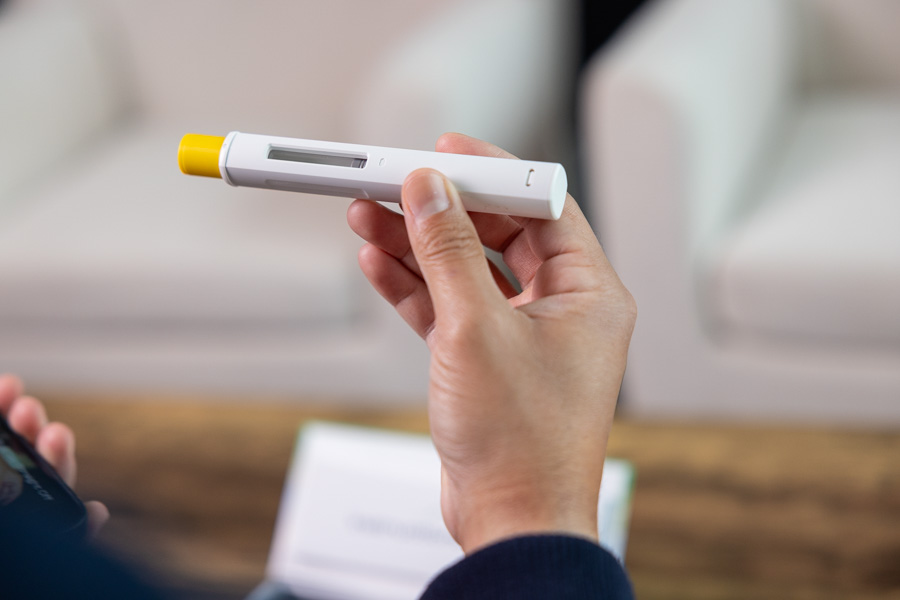
What Is Autoinjector Device Selection and Design Strategy?
Autoinjector device selection is the process of choosing the most appropriate drug delivery platform for a combination product based on patient needs, therapy requirements, and real-world use conditions.
Closely tied to this is autoinjector design strategy—the broader approach that defines how device selection, usability, training, and patient experience work together to support successful therapy adoption.
While often treated as a technical or sourcing decision, device selection is fundamentally part of a device design strategy—one that directly impacts usability, adherence, and long-term therapy success.
Why Device Selection and Design Strategy Are Often Misaligned
Many pharma teams approach device selection as an isolated decision, driven by:
- Platform familiarity
- Availability and timelines
- Mechanical and technical performance
These inputs are important, but they do not represent a complete design strategy. Most critically, they fail to capture how patients actually interact with the device.
Key factors are often underrepresented early:
- Injection anxiety and hesitation
- Variability in strength, dexterity, and cognition
- Differences between injection-naïve and experienced patients
- Real-world environments of use
When device selection is separated from broader design strategy considerations, usability issues often surface late—during Human Factors validation or after launch.
Noble’s experience supporting more than 120 global launches shows that failing to integrate patient insight into early device selection and design strategy increases the risk of delays, redesigns, and weaker differentiation.
A Patient-First Framework for Device Selection and Design Strategy
A more effective approach connects device selection directly to a patient-first design strategy:
Define what your patients need before selecting the device.
This means:
- Understanding the patient population and their capabilities
- Identifying real-world use conditions
- Anticipating where use-related risks may occur
When device selection is guided by a clear autoinjector design strategy, it becomes a structured, evidence-based decision rather than a default choice.
Key Considerations for Autoinjector Device Selection and Design Strategy
1. Patient Population Fit
Strong device design strategy starts with the patient—not the platform.
Consider:
- Injection-naïve vs experienced users
- Pediatric, adult, or aging populations
- Patients with limited dexterity or vision
There is no universal solution. Effective device selection must align to the specific needs of the intended population.
2. Use-Related Risk and Human Factors
Human Factors is a core pillar of both device selection and design strategy.
Early evaluation helps:
- Identify common use errors
- Inform design inputs and IFU development
- Reduce validation risk and late-stage changes
In a strong design strategy, Human Factors is not reactive—it actively informs which device is selected and how it is implemented.
3. Real-World Context of Use
Autoinjector design strategy must extend beyond controlled testing environments.
Patients may:
- Administer injections independently at home
- Manage multiple therapies simultaneously
- Experience stress or uncertainty at first use
Device selection decisions that ignore real-world context often lead to friction during onboarding and early use.
4. Training and Onboarding Requirements
Device complexity and onboarding strategy are tightly linked.
A complete device design strategy considers:
- Training device requirements
- Instruction clarity and usability
- Digital reinforcement and ongoing engagement
When onboarding is treated as an afterthought to device selection, patient confidence and adherence suffer.
Structured onboarding programs that combine physical and digital support have been shown to improve confidence, time to therapy, and persistence.
How Device Selection Connects to Adherence and Outcomes
Device selection is not an isolated development decision—it is a foundational element of design strategy with downstream impact.
It influences:
- Human Factors: Study success and regulatory readiness
- Regulatory: Risk profiles and submission quality
- Commercial: Product differentiation and positioning
- Patient Experience: Confidence, correct use, and adherence
A well-defined autoinjector design strategy ensures these elements are aligned from the start.
There Is No “Ideal” Autoinjector—Only the Right Strategy
There is no single device that works for every therapy.
The right outcome comes from aligning:
- The patient
- The therapy
- The context of use
This is where device selection and design strategy come together.
Noble’s approach emphasizes building an integrated autoinjector design strategy that reduces downstream risk and improves real-world performance.
Conclusion: Start with the Patient, Then Define Your Strategy
Autoinjector device selection should not happen in isolation.
It should be guided by a clear, patient-first design strategy that:
- Identifies risk early
- Aligns device choice with real-world use
- Supports better onboarding and adherence
Starting with the device may feel efficient.
Starting with the patient leads to better decisions—and better outcomes.
If you are evaluating autoinjector options or refining your device design strategy, aligning device selection with real-world patient needs can help reduce risk and strengthen your overall product strategy.