
Knowledge Hub
Featured content
01
News
Noble’s Director of Patient Engagement Services, Sean Glynn, recently appeared on a Pharmaceutical Executive podcast to discuss the role of first-dose experiences in patient adherence and persistence for self-injectable therapies.
Learn more
News
From Touchpoints to Moments: Noble’s Perspective Coming Out of the PanAgora Pharma CX Summit
At the PanAgora Pharma CX Summit, one theme stood out across nearly every conversation: customer experience is no longer a supporting function in pharma. It is a core growth lever that directly influences treatment decisions, adherence, trust, and long-term value.
Learn more
News
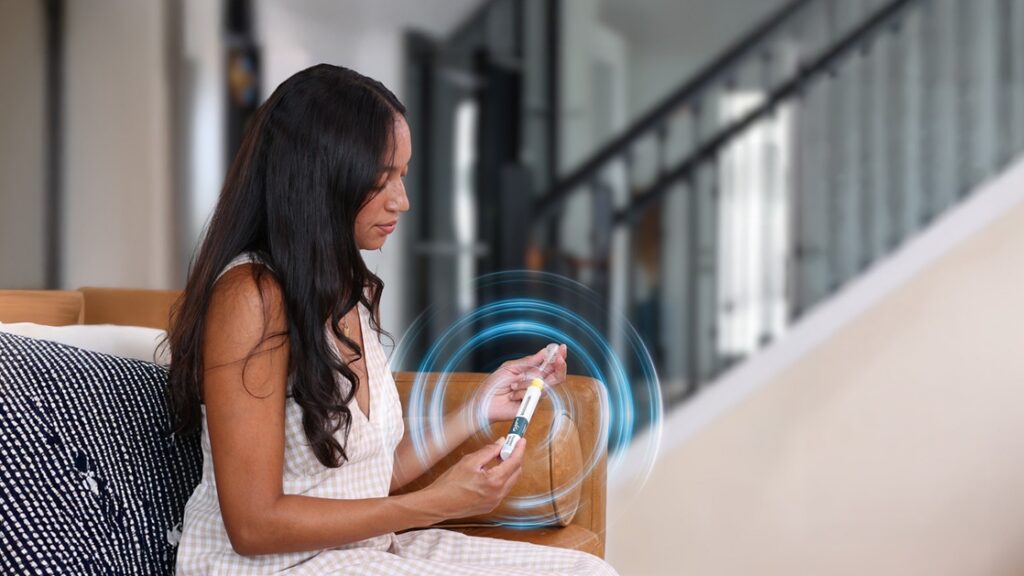
Aptar and Enable Injections Advance Patient‑Centered Digital Support
As combination products continue to advance, the industry is moving beyond reliable drug delivery alone—and toward solutions that support patients throughout the entire treatment journey.
Learn more
News
Noble Featured in MedTech Outlook: Putting Patient Voices at the Center of Medical Device Innovation
We’re proud to share that Noble was recently featured in MedTech Outlook for our approach to patient centered medical device innovation. The article highlights how Noble integrates patient voices into every stage of device development—helping teams design solutions that are not only compliant and effective, but intuitive, inclusive, and ready for real world use.
Learn more
News
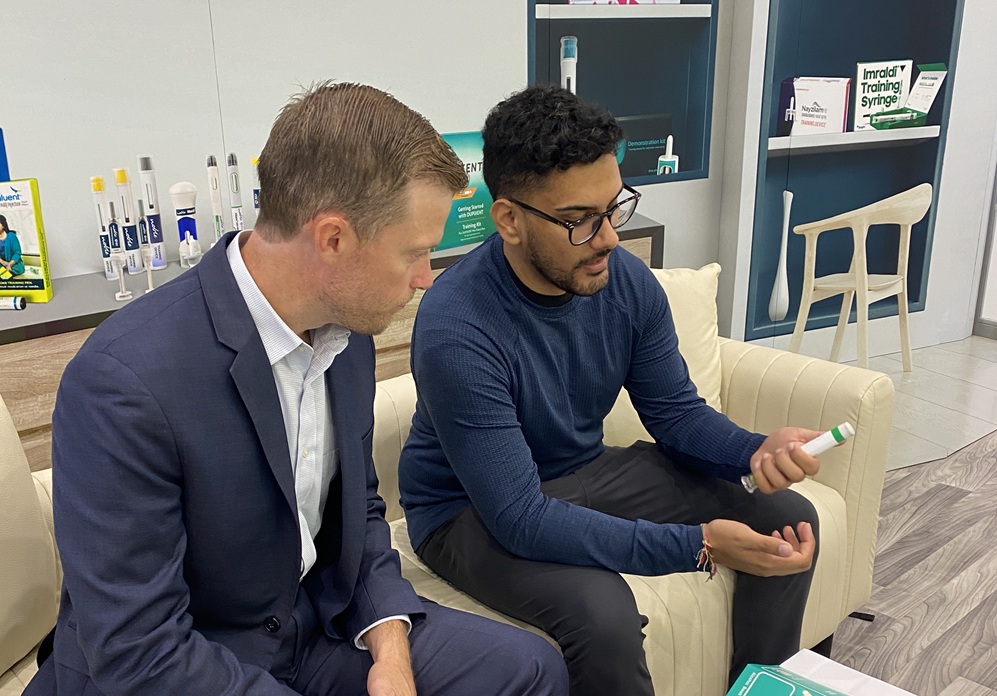
Noble Recognized as a Top Patient Training Devices Company by Medical Tech Outlook
We’re proud to share that Noble was recently featured in MedTech Outlook for our approach to patient centered medical device innovation. The article highlights how Noble integrates patient voices into every stage of device development—helping teams design solutions that are not only compliant and effective, but intuitive, inclusive, and ready for real world use.
Learn more
Blog
Designing for Reality: Why Medical Device UX Must Account for Real‑World Use
Medical devices are rarely used in ideal conditions. Patients and healthcare providers interact with devices while managing stress, distractions, physical limitations, and time pressure. Yet too often, devices are designed around best case assumptions rather than real world behavior.
Learn more