


As Drug Delivery Evolves, So Must Patient Training: The Growing Need for Large-Volume Training Devices
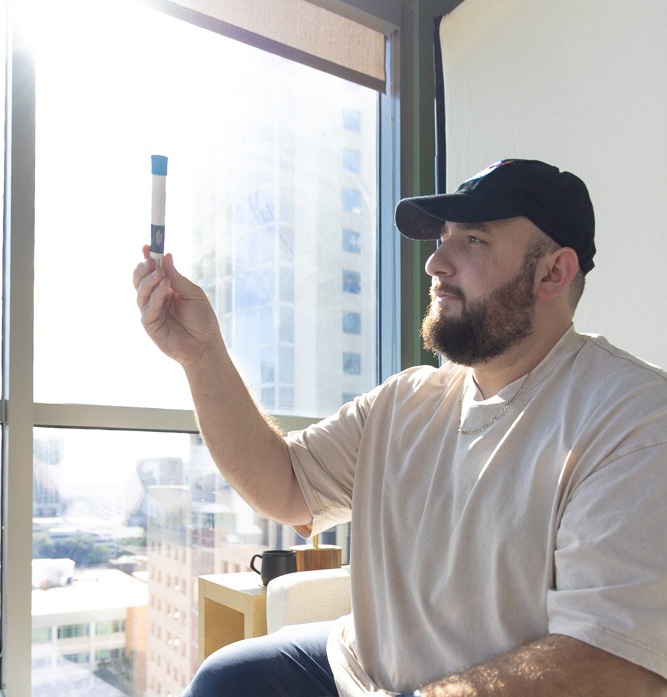
Advances in biologics are changing not only what therapies can accomplish, but also how they can be delivered.
Higher-dose and larger-volume subcutaneous therapies are creating new possibilities for drug delivery, including programs exploring the transition from intravenous (IV) to subcutaneous (SC) administration. A 2024 systematic review identified 182 clinical-stage or approved large-volume SC biopharmaceuticals, defined by the authors as doses greater than 2 mL, spanning oncology and a range of chronic disease areas.
At the same time, drug delivery technologies are evolving to accommodate these changing requirements. Large-volume autoinjectors, wearable injectors and on-body delivery systems can create experiences that differ considerably from more traditional injection formats. Some current wearable platforms, for example, are designed to accommodate volumes up to 10 mL.
As these technologies evolve, pharmaceutical manufacturers face an important question:
Are patients and healthcare providers being adequately prepared for the experience?
1. Large-Volume Delivery Is Changing the Patient Experience
Patients familiar with traditional autoinjectors or prefilled syringes may already have expectations about how an injection should look, feel and behave.
Large-volume delivery can change those expectations. Depending on the delivery platform, users may encounter different administration steps, longer delivery times, new feedback mechanisms or entirely different device interactions. Wearable systems may also require users to become comfortable placing a device on the body and wearing it during administration.
The development of subcutaneous alternatives for therapies traditionally administered intravenously adds another important dimension.
SC delivery of biologics has historically faced limitations related to injection volume, particularly for higher-dose therapies. Advances in formulations and delivery technologies are expanding opportunities to deliver larger volumes through the subcutaneous route.
The IV-to-SC opportunity is particularly relevant within the large-volume biopharmaceutical landscape. Recent research identified a substantial clinical pipeline of large-volume SC therapies and noted the potential for IV-to-SC transitions within oncology.
But a change in route of administration can also mean a change in the treatment experience.
A therapy previously delivered intravenously may introduce a new device and administration process when developed for SC delivery. Depending on the therapy, device and intended user, this may create new needs for education, familiarization and hands-on practice.
Large-volume delivery is not simply changing how much medication can be delivered. It can change how patients and HCPs experience the therapy itself.
2. That Creates New Real-World Usability and Wearability Considerations
As the delivery experience changes, manufacturers need to consider how these devices fit into real-world use. For an on-body system, successful administration is only part of the experience. Patients may also need to feel comfortable and confident wearing the device while going about everyday activities.
A published formative study, Formative Study on the Wearability and Usability of a Large-Volume Patch Injector, explored these considerations using a prototype 10 mL large-volume patch injector. Twenty-three patients and healthcare professionals participated in simulated-use sessions. Patient participants completed two 17-minute simulated injections and performed predefined movement and activity tasks while wearing the device.
Those activities were intentionally practical. Participants stood up, bent down as if tying a shoe, walked in a circle and packed or unpacked groceries, which required lifting and bending. Researchers observed the sessions and gathered participant feedback through questionnaires and interviews.
Importantly, researchers looked beyond whether participants could simply operate the device. They evaluated overall handling and ease of use alongside wearability considerations such as comfort while moving, confidence while wearing the device, and perceptions related to its size, weight and security of attachment.
The study also illustrates why these considerations matter.
Some participants initially expressed concerns about the device’s size, weight and whether it would remain securely attached. During simulated use, participants were generally able to find sufficient space for placement and found the device comfortable and secure to wear. Researchers also observed specific usability difficulties involving areas such as device activation, attachment and recognizing an alarm.
Insights like these broaden the questions pharmaceutical teams can consider when designing the device experience, training strategy and supporting resources:
- What happens when a patient stands, bends or moves while wearing the device?
- Will they feel confident that it remains securely attached?
- Do they understand what the device will do during an extended administration period?
- Will they recognize the visual or audible feedback that signals progress, completion or an error?
- Could experience with another delivery device create different expectations?
- Does training prepare them for these real-world interactions, rather than simply teaching them how to activate the device?
These considerations connect large-volume delivery with the broader disciplines of human factors and user-experience research. They also reinforce why training should be considered earlier in development, alongside device selection, usability research and the broader patient-support strategy.
The goal is not simply to demonstrate that a patient can use the device correctly. It is to understand and prepare them for what using that device may actually feel like in their everyday life.
3. Training Needs to Address the Full Experience, Not Just Replicate the Device
Instructions are important, but reading about a device and physically interacting with one are fundamentally different learning experiences.
Realistic demonstration devices can give patients and healthcare professionals an opportunity to become familiar with relevant aspects of administration before medication is involved.
Depending on the delivery system, training may help users become familiar with:
- Device preparation and activation
- Proper positioning or placement
- The sequence of administration
- Visual, audible or tactile feedback
- Expected device behavior during delivery
- Recognition of completed delivery
- Removal or post-administration steps
The goal is not simply to teach a sequence.
It is to give users an opportunity to practice the experience.
That distinction becomes increasingly important with large-volume and on-body delivery. For example, a system with a longer administration period may require users to understand what happens not only when they activate the device, but throughout delivery and at completion. With an on-body system, placement and the experience of wearing the device may become part of the training consideration as well.
Effective training therefore goes beyond creating a device that looks like the commercial product. The training experience should reflect the aspects of interaction that matter to users.
Noble has applied realistic simulation to larger-volume injection formats. In recent work, Noble collaborated on demonstration devices for a 2.25 mL autoinjector and prefilled syringe designed to replicate the look and function of the actual drug delivery devices while remaining resettable for practice.
This philosophy also reflects Noble’s broader approach to training-device development, which connects understanding of the patient journey, user-needs research, device evaluation and training strategy.
For pharmaceutical manufacturers, the opportunity is to consider more than whether a trainer physically replicates a commercial device.
The more important question may be:
Does the training experience prepare the user for what the therapy experience will actually be like?
4. Ultimately, This Is About Creating a Meaningful Therapy Experience for Patients and HCPs
Even the most realistic training device is only one part of preparing someone for therapy.
Patients and HCPs may interact with instructions for use, quick-reference resources, videos, digital education, hands-on training and ongoing support at different points throughout the treatment journey.
Noble’s approach pairs physical training devices with digital reinforcement and broader patient-support strategies to help connect device education with real-world application.
This creates an opportunity to think beyond a single training event.
Instead of asking:
“How do we teach someone to use this device?”
Pharmaceutical teams can ask:
“How do we prepare someone for the entire therapy experience?”
That distinction matters as therapies and delivery systems become more sophisticated.
Large-volume delivery represents more than an increase in injection capacity. It can represent a meaningful change in how patients and healthcare professionals interact with treatment, particularly as pharmaceutical companies explore large-volume subcutaneous therapies, IV-to-SC strategies, autoinjectors, wearable injectors and on-body delivery systems.
Noble’s patient-experience approach brings together UX research and insights, device selection and human factors, training devices and patient onboarding as connected parts of the patient journey.
Noble’s current capabilities also include platform and custom on-body injector demonstration devices alongside instructional videos, digital experiences and other training resources.
By considering training earlier in development, pharmaceutical teams can better align the device, training and broader patient-support experience around the people who ultimately need to use the therapy.
Because ultimately, successful drug delivery is not only about getting medication from a device into a patient. It is about creating a therapy experience that patients and HCPs can understand, navigate and approach with confidence.
Developing a Large-Volume Drug Delivery Program?
Whether your program involves a large-volume autoinjector, an on-body delivery system or an evolving IV-to-SC strategy, Noble can help bring together human factors, training-device development and patient onboarding.
Connect with Noble to explore a training strategy built around your device, therapy and patients.