



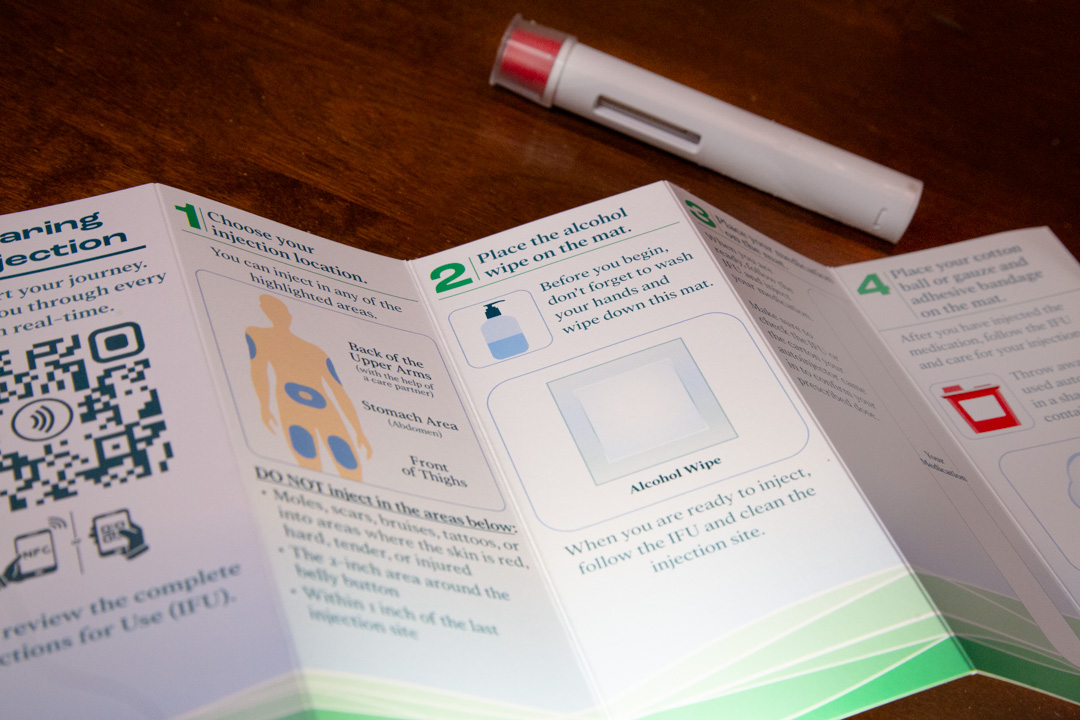
As more therapies move into the home, patient training has become a critical requirement for successful treatment—not an optional enhancement. Patients are increasingly expected to self‑administer complex therapies with limited in‑office instruction, often while managing anxiety, uncertainty, and new routines.
In this environment, insufficient training is no longer sustainable. Patient training is now a foundational component of adherence, confidence, and long‑term treatment success.
The Reality of Self‑Administered Therapy
For patients prescribed injectable or device‑enabled therapies, the shift to self‑administration can be overwhelming. Many receive little to no hands‑on training before being sent home to manage treatment independently.
When patients lack proper preparation, they are more likely to delay starting therapy, make administration errors, or abandon treatment altogether. These challenges affect not only patient outcomes, but also healthcare providers, specialty pharmacies, and pharmaceutical brands.
Why Traditional Training Falls Short
In‑office training is often limited by time, staffing, and inconsistent delivery. Written instructions and brief demonstrations rarely provide patients with the confidence they need to self‑administer correctly once they are on their own.
Patients need more than information—they need practice, reinforcement, and ongoing support that extends beyond the clinic or pharmacy.
Training as the Foundation of Adherence
Effective patient training builds confidence by allowing individuals to practice using their delivery device, understand proper technique, and establish routines before administering medication.
Hands‑on training reduces anxiety, reinforces correct behaviors, and helps patients feel prepared to begin therapy independently. When training is prioritized early, patients are more likely to start therapy sooner and remain adherent over time.
Supporting Patients Beyond the First Dose
Training cannot end after initial instruction. Patients need continued reinforcement as they navigate dosing schedules, device steps, and long‑term routines.
Noble addresses this need through Noble SureStartRx™, a patient onboarding solution designed to support patients during the critical transition from prescription to first dose—and throughout ongoing treatment. SureStartRx™ integrates hands‑on training, digital engagement, and real‑world insights to help patients feel supported at every stage of their journey.
The Role of Digital Engagement in Modern Training
Digital tools extend training beyond the initial onboarding moment by providing reminders, guided instructions, and feedback between doses. These tools help reduce cognitive burden and keep patients engaged as therapy continues.
Within SureStartRx™, digital engagement reinforces training while offering visibility into patient behavior—supporting earlier intervention when adherence risks emerge.
A New Standard for Patient Training
Patient training is no longer a value‑add—it is an essential part of delivering effective therapy in today’s healthcare landscape. Programs that prioritize preparation, practice, and ongoing support are better positioned to improve adherence and outcomes.
By combining training and digital support into a cohesive onboarding experience, SureStartRx™ helps pharmaceutical teams meet rising expectations for patient support while driving better health outcomes.
Training That Drives Better Outcomes
When patients are given the tools, confidence, and support they need, they are more likely to start therapy, stay on treatment, and achieve better outcomes.
Through Noble SureStartRx™, Noble helps pharmaceutical partners elevate patient training from an afterthought to a core component of successful therapy delivery.