



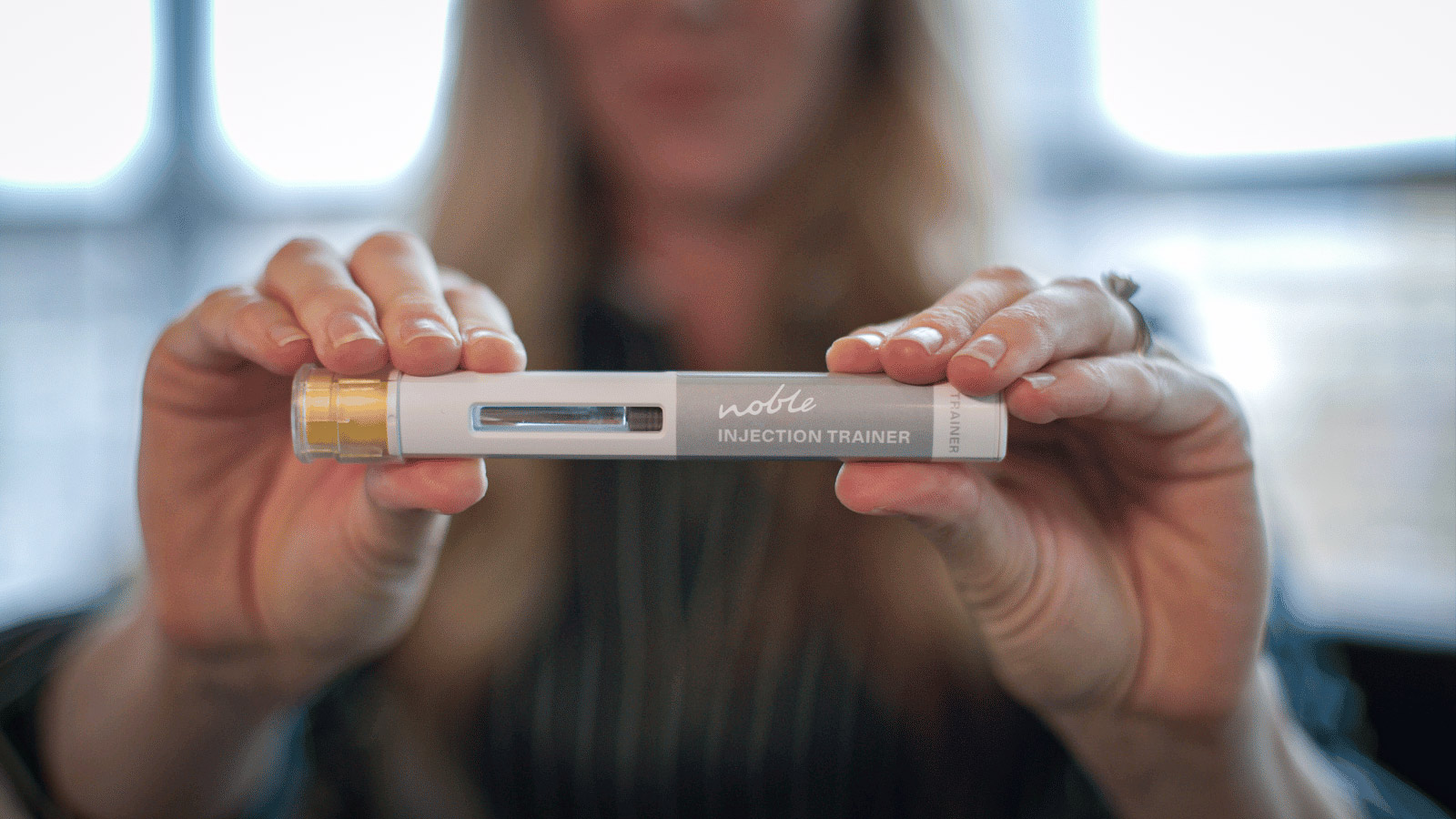
The growth of self‑administered therapies has transformed how patients manage treatment for chronic and specialty conditions. Autoinjectors have made it possible for patients to administer medication at home, offering greater independence and convenience. However, successful self‑administration depends on more than access to a device—it requires confidence, familiarity, and proper technique.
Training devices play a critical role in bridging the gap between device innovation and real‑world use, helping patients prepare for self‑injection before they ever administer medication.
Why Training Devices Matter in Self‑Injection
For many patients, self‑injecting medication can be intimidating. Fear of needles, uncertainty about proper technique, and concern about making mistakes are common barriers that can impact adherence.
Training devices provide a safe, repeatable way for patients to practice using an autoinjector without risk. By simulating the experience of the actual delivery system, training devices help reduce anxiety, build muscle memory, and increase confidence at a critical point in the treatment journey.
Designing Training Devices That Reflect Real‑World Use
Effective training devices are designed to closely replicate the look, feel, and function of the commercial autoinjector. This includes matching form factor, activation forces, feedback cues, and administration steps.
When training devices accurately reflect the real device experience, patients are better prepared to transition from practice to live injections. This realism helps minimize use errors and reinforces correct technique from the outset.
Supporting Patient Confidence Through Hands‑On Practice
Hands‑on practice is one of the most effective ways to reinforce learning. Training devices allow patients to rehearse the injection process at their own pace, repeat steps as needed, and gain familiarity without pressure.
This practice is especially valuable for patients who may have limited dexterity, vision challenges, or anxiety related to self‑injection. By building confidence early, training devices help patients approach treatment with greater assurance.
Training Devices as Part of a Broader Development Strategy
Beyond patient education, training devices also support device development and validation efforts. They can be used in usability testing to identify potential challenges, inform design refinements, and strengthen human factors submissions.
By incorporating training devices into development programs, pharmaceutical teams gain deeper insight into how users interact with their devices in realistic scenarios—supporting both regulatory readiness and patient preparedness.
Advancing Self‑Administered Therapy Through Innovation
Innovation in training devices continues to evolve alongside advances in drug delivery systems. As therapies become more complex and patient populations more diverse, realistic training solutions remain essential for supporting safe and effective self‑administration.
By investing in thoughtfully designed training devices, pharmaceutical teams can help patients build confidence, reduce errors, and establish strong foundations for long‑term adherence.